
Introduction
From dependency to self-reliance—this is the journey many families are making through Struggle Against Poverty (SAP). Across Uganda, SAP supports livelihood transformation by equipping households with skills, confidence, and opportunities to earn sustainably. By addressing the root causes of poverty and promoting community-led solutions, SAP helps people move beyond short-term aid toward lasting independence and dignity.
Why Livelihood Transformation Matters
Dependence on relief often traps families in uncertainty. Sustainable livelihoods create stable incomes, improve food security, and enable households to plan for education and healthcare. SAP focuses on practical, locally relevant solutions that strengthen resilience and reduce vulnerability to shocks.
Skills Development That Unlock Opportunity
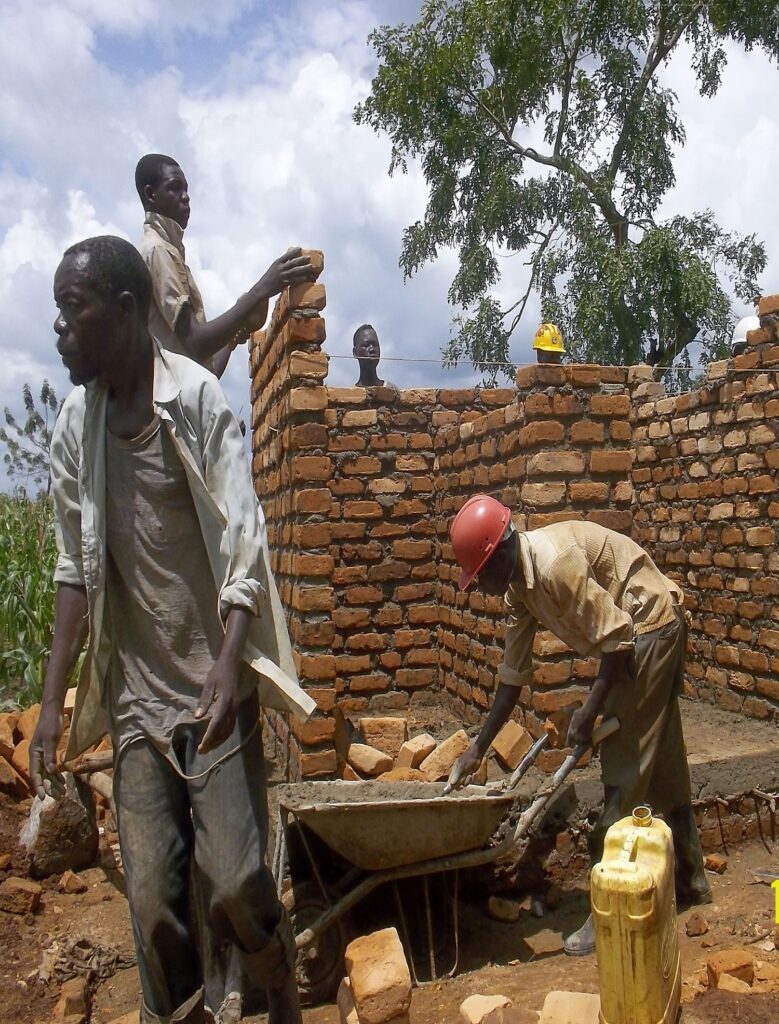
Through vocational training and skills development, SAP equips women, youth, and other vulnerable groups with marketable skills. Training is tailored to local contexts—ensuring participants can immediately apply what they learn to earn income and support their families.
Income-Generating Activities for Households
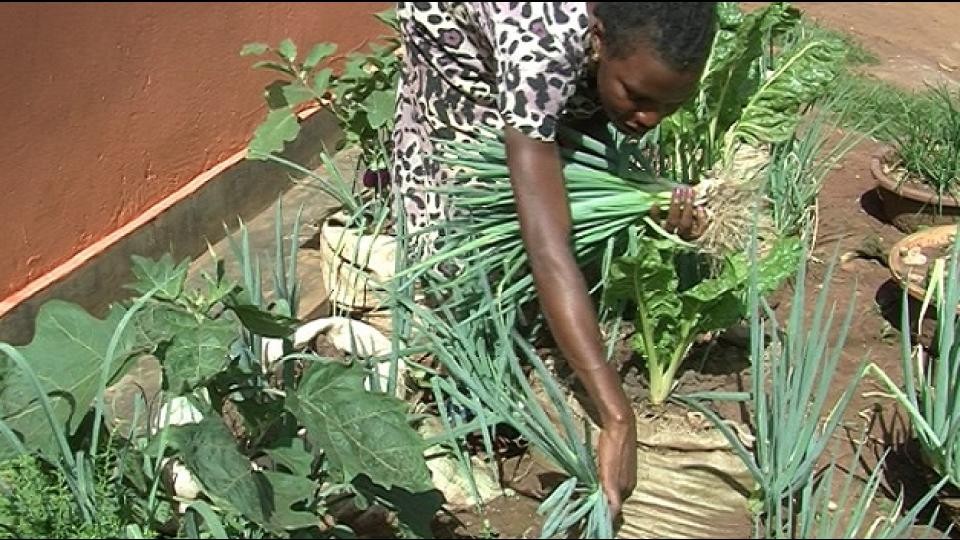
SAP supports income-generating activities (IGAs) such as small enterprises, value addition, and household businesses. By diversifying income sources, families stabilize earnings and reduce reliance on seasonal work or external assistance.
Financial Literacy and Small Enterprise Support
Self-reliance grows with smart money management. SAP provides financial literacy, savings culture, and basic enterprise support—helping participants budget, reinvest, and grow their businesses responsibly.
Community Stories of Change
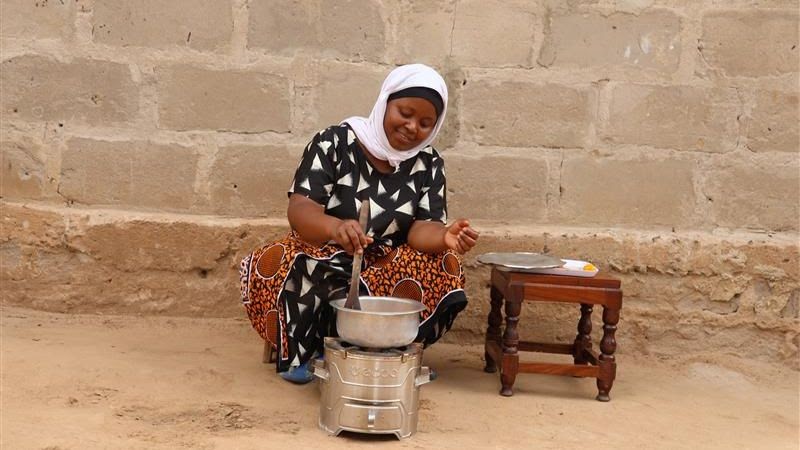
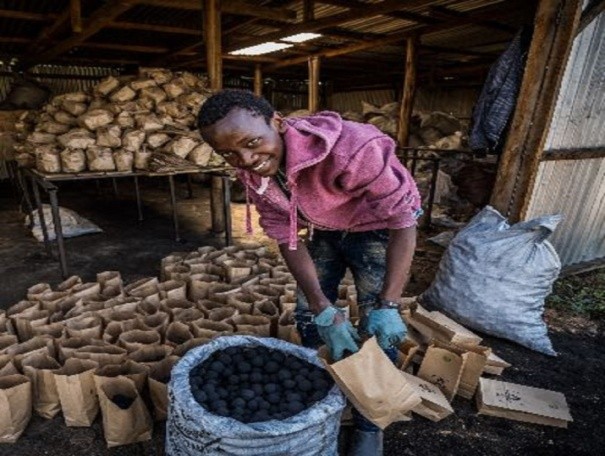
Across SAP-supported communities, households are shifting from dependency to independence. Women are leading enterprises, youth are starting trades, and families are meeting daily needs with confidence. These real stories of livelihood transformation show that when people are empowered, change follows.
Inclusion: Livelihoods for Everyone
SAP ensures inclusive livelihood programs by actively supporting women, youth, persons with disabilities, and marginalized groups. Equal access to training and resources strengthens community cohesion and ensures no one is left behind.
Why SAP’s Approach Works
SAP’s community-led development model builds ownership and accountability. By combining skills, finance, mentorship, and local leadership, livelihood gains are sustained—long after project cycles end.
Conclusion
The path from dependency to self-reliance is possible. Through sustainable livelihoods and community leadership, Struggle Against Poverty (SAP) is helping families build stable incomes, dignity, and hope for the future.
👉 Support livelihood transformation today:
Frequently Asked Questions (FAQs)
What is livelihood transformation?
Livelihood transformation means moving from unstable or aid-dependent living to sustainable income and self-reliance through skills and enterprise.
How does SAP support self-reliance in Uganda?
SAP provides skills training, income-generating support, financial literacy, and mentorship—led by communities themselves.
Who benefits from SAP livelihood programs?
Women, youth, persons with disabilities, low-income households, and underserved communities across Uganda.
Are SAP livelihoods programs sustainable long-term?
Yes. SAP focuses on diversified income, savings, and local ownership to ensure lasting impact.
How can I support SAP’s livelihood programs?
You can volunteer, partner, donate, or sponsor livelihoods through SAP’s Get Involved page.