
Introduction
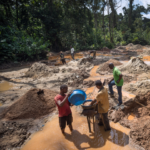
Protecting our environment is essential for sustainable development and long-term poverty reduction. At Struggle Against Poverty (SAP), we believe that environmental conservation and community well-being go hand in hand. Degraded land, climate change, and pollution directly affect livelihoods, food security, and health—especially for vulnerable communities in Uganda. That is why SAP promotes community-led environmental conservation as a pathway to a secure and sustainable future.
Why Environmental Conservation Matters for Communities
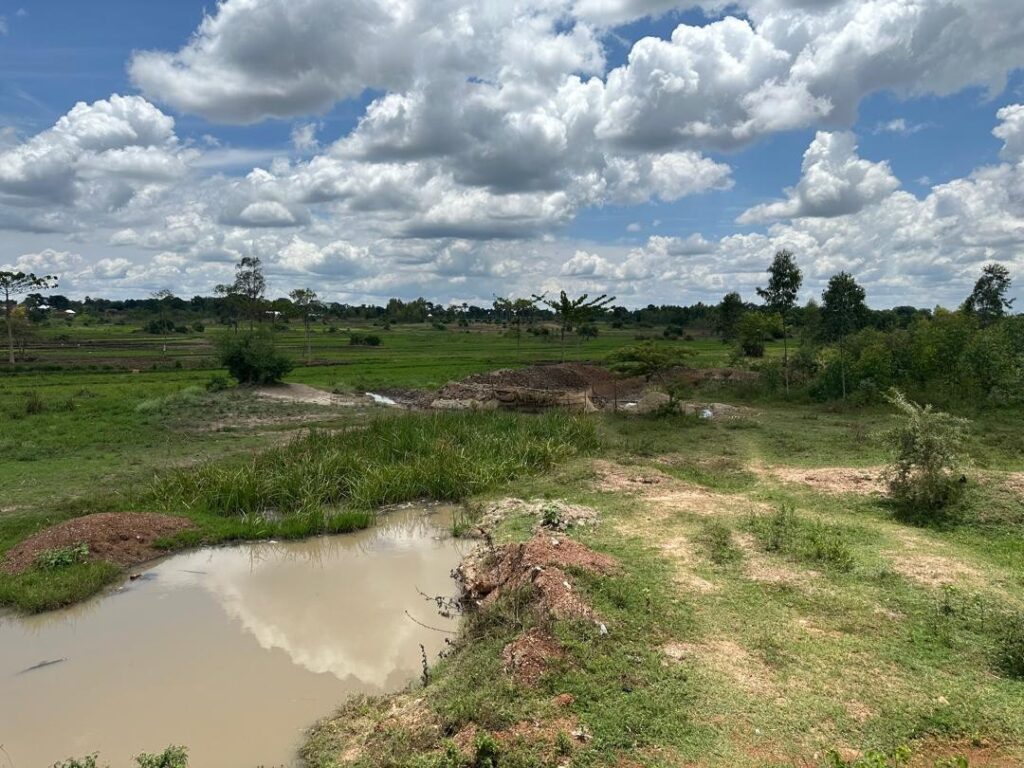
Environmental degradation increases poverty by reducing agricultural productivity, causing water shortages, and exposing communities to climate-related disasters. Environmental conservation in Uganda is not just about protecting nature—it is about protecting people, their livelihoods, and future generations.
Community-Led Environmental Conservation
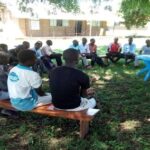
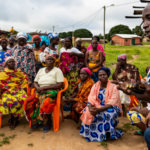
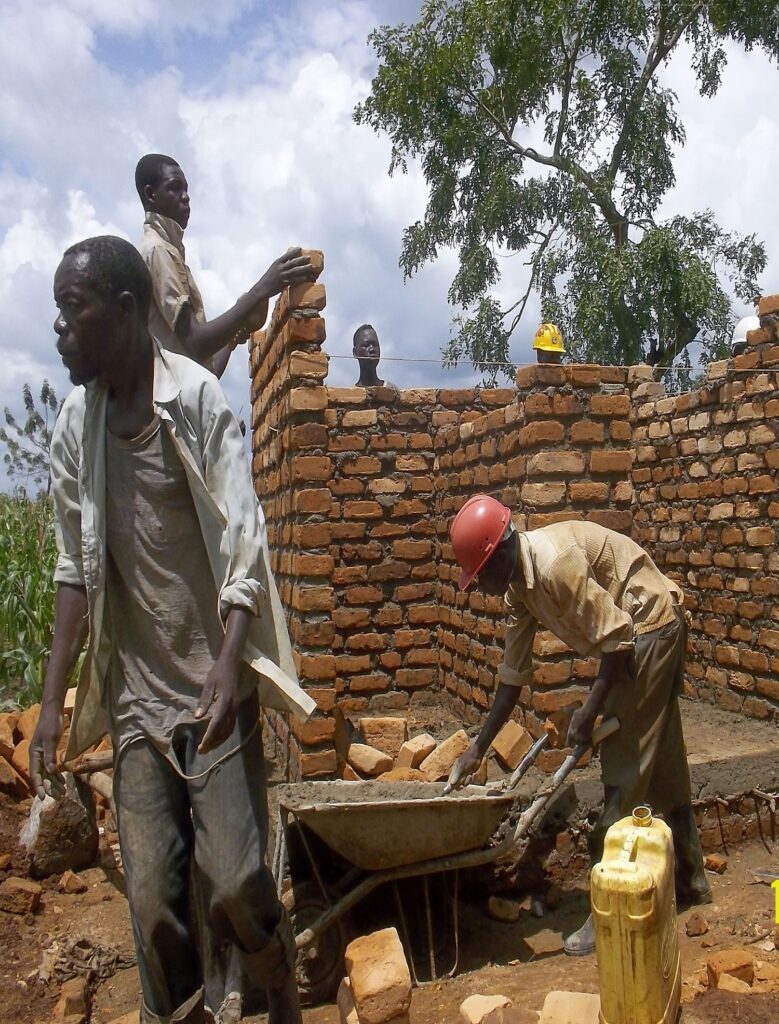
SAP uses a community-centered approach to environmental conservation, empowering local people to protect and manage their natural resources. By involving communities in decision-making, SAP ensures ownership, responsibility, and long-term sustainability of environmental initiatives.
Tree Planting and Reforestation Initiatives
Deforestation is a major challenge in many parts of Uganda. SAP promotes tree planting and reforestation programs that help restore degraded land, improve soil fertility, and combat climate change. Communities are trained to plant, nurture, and protect trees for both environmental and economic benefits.
Sustainable Agriculture and Land Management
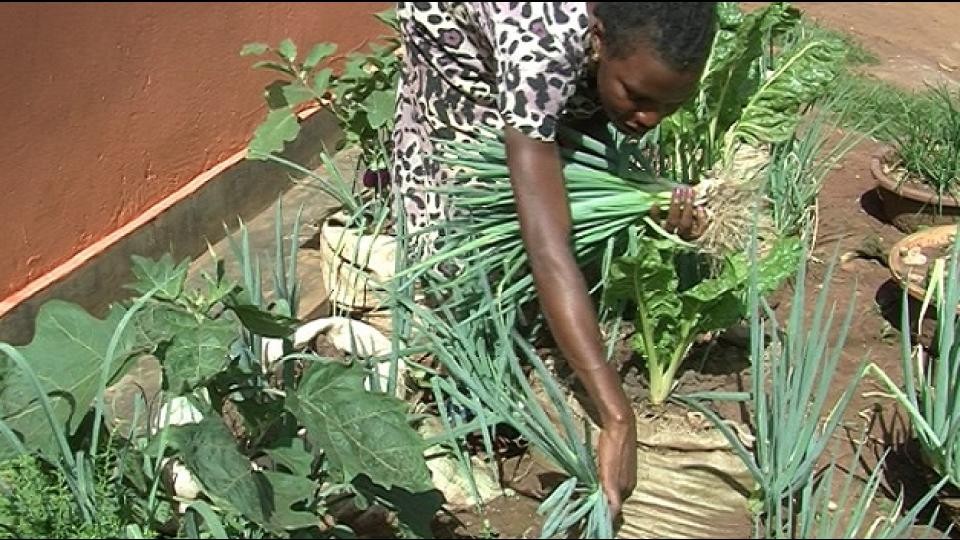
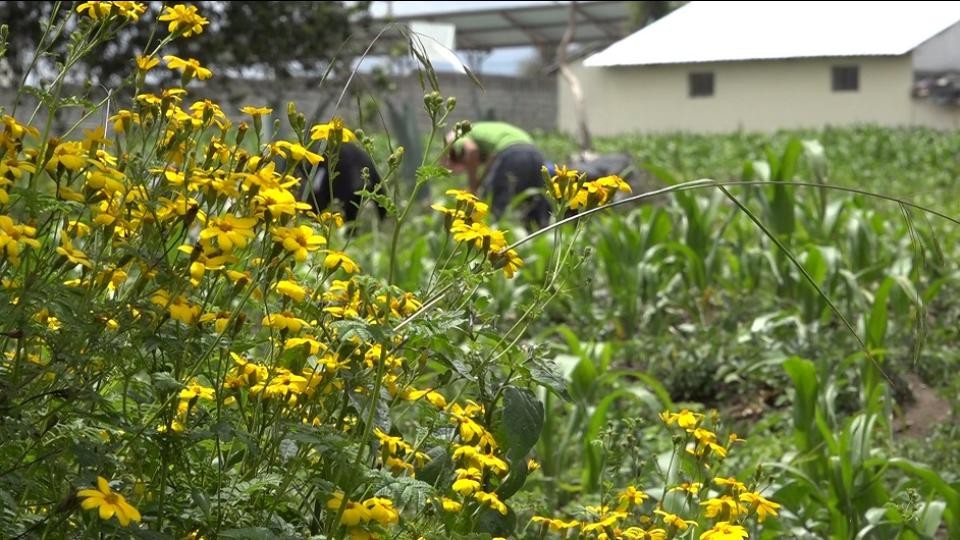
SAP supports environmentally friendly farming practices such as soil conservation, agroforestry, and climate-smart agriculture. These practices help farmers increase yields while protecting land and water resources, ensuring food security without harming the environment.
Environmental Awareness and Education
Knowledge is key to lasting change. SAP conducts environmental education and awareness programs to help communities understand the importance of conservation, waste management, and climate resilience. Educated communities make informed choices that protect their environment.
Youth and Women in Environmental Protection
Women and youth play a critical role in conservation efforts. SAP actively involves them in environmental protection initiatives, training them as champions for climate action, sustainable living, and natural resource management within their communities.
Climate Resilience and Sustainable Livelihoods
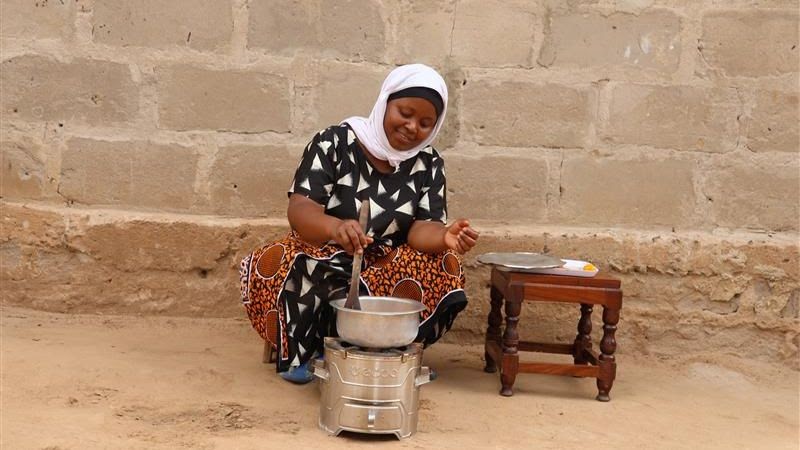
SAP links environmental conservation with livelihood development by supporting green income-generating activities such as tree nurseries, eco-friendly farming, and conservation-based enterprises. This approach helps communities adapt to climate change while reducing poverty.
Conclusion
Protecting our environment secures our future. Through tree planting, sustainable agriculture, environmental education, and inclusive community action, Struggle Against Poverty (SAP) is building resilient communities that thrive in harmony with nature. Together, we can safeguard the environment while creating sustainable livelihoods for generations to come.
🌱 Take action today:
Frequently Asked Questions (FAQs)
Why is environmental conservation important for poverty reduction?
Environmental conservation protects natural resources that communities depend on for farming, water, and income, reducing vulnerability to poverty.
How does SAP promote environmental conservation in Uganda?
SAP works with communities through tree planting, sustainable agriculture, environmental education, and climate resilience programs.
What role do communities play in SAP’s conservation approach?
Communities lead planning, implementation, and management of conservation activities, ensuring ownership and sustainability.
How are youth and women involved in environmental protection?
SAP trains and supports youth and women to become environmental champions and leaders in conservation initiatives.
How can I support SAP’s environmental conservation programs?
You can volunteer, partner, donate, or advocate by visiting SAP’s Get Involved or Contact Us pages.