
Introduction
Health is wealth because healthy people can work, learn, and build better futures for their families and communities. At Struggle Against Poverty (SAP), we understand that poverty and poor health are deeply connected. Diseases like HIV/AIDS, neglected tropical diseases, and hunger-related illnesses continue to affect vulnerable communities in Uganda. SAP addresses these challenges through community-based health, social protection, and wellbeing programs that promote prevention, awareness, dignity, and long-term wellbeing.
The Link Between Health and Poverty in Communities
Poor health keeps families trapped in poverty. When people are sick, income reduces, school attendance drops, and households struggle to meet basic needs. Community health interventions help break this cycle by focusing on prevention, early response, and education.
Tackling HIV/AIDS Through Awareness and Support
HIV/AIDS remains a major public health issue. SAP works at the community level to promote HIV/AIDS awareness, prevention, and support. Our initiatives include health education, stigma reduction, promotion of testing, and support for affected individuals and families. By addressing both medical and social impacts, SAP helps communities live positively and confidently.
Addressing Neglected Tropical Diseases (NTDs)
Many vulnerable communities suffer from neglected tropical diseases such as worms and other preventable illnesses. SAP raises awareness about disease prevention, hygiene, sanitation, and early treatment. These efforts reduce long-term illness and help communities stay productive and healthy.
Hunger Reduction and Nutrition Awareness
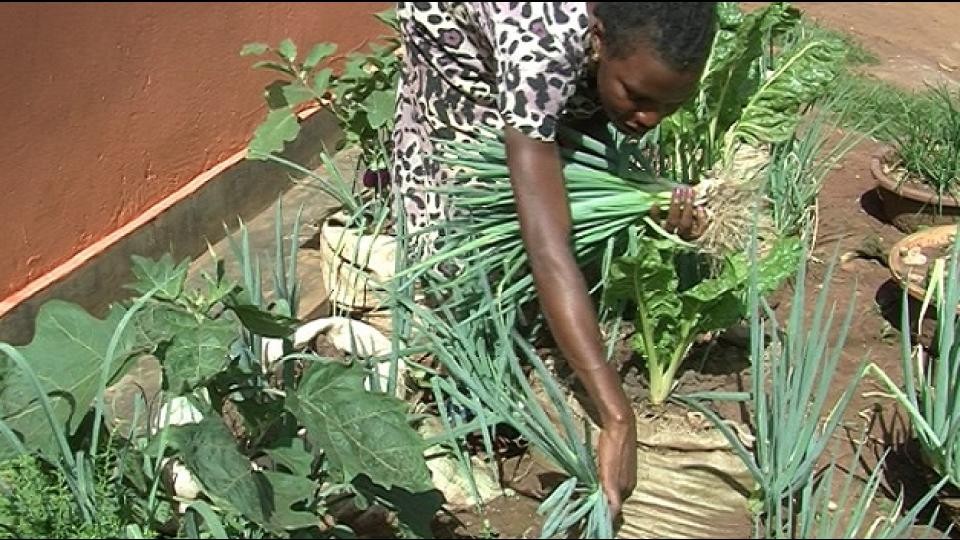
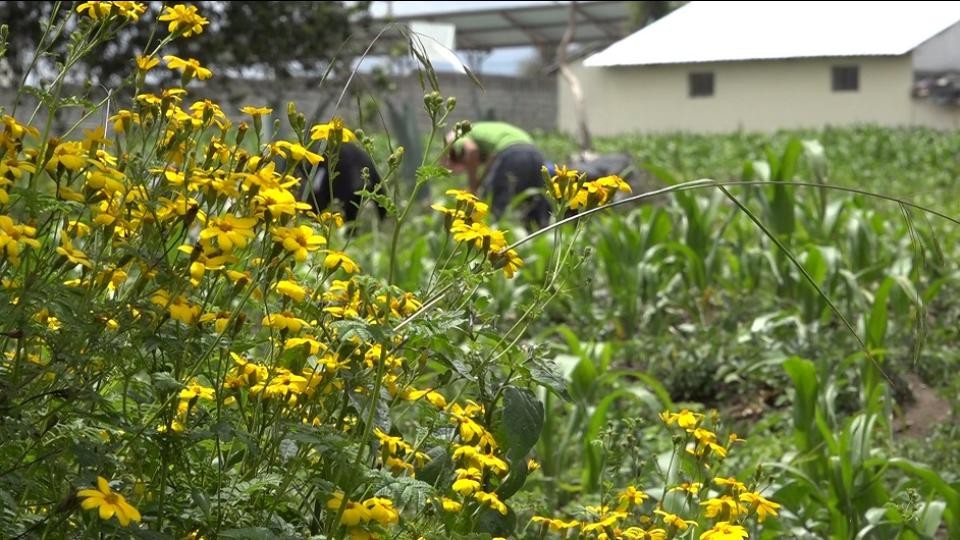
Hunger and poor nutrition weaken immune systems and increase vulnerability to disease. SAP promotes nutrition awareness and hunger reduction strategies, including community education on balanced diets, food utilization, and sustainable food practices. Improved nutrition strengthens families and supports healthier children and adults.
Promoting Peace, Justice, and Community Security
Health and wellbeing go beyond the absence of disease. SAP promotes peace, justice, and security as essential parts of community wellbeing. Safer, peaceful communities experience better mental health, stronger social bonds, and improved access to services.
Community-Led Health and Wellbeing Solutions
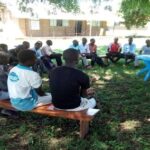
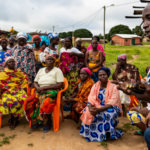
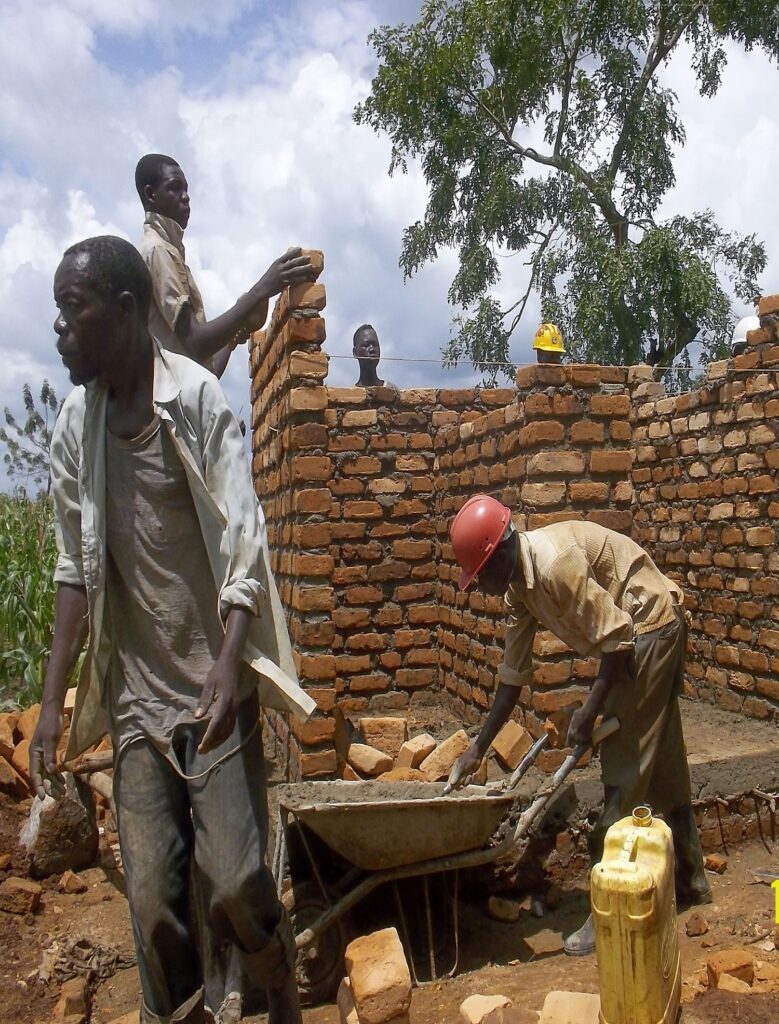
SAP believes lasting change happens when communities take the lead. Our community-driven health programs empower local leaders and groups to identify challenges, share information, and support vulnerable members. This approach ensures ownership, sustainability, and long-term impact.
Partnerships for Stronger Health Outcomes
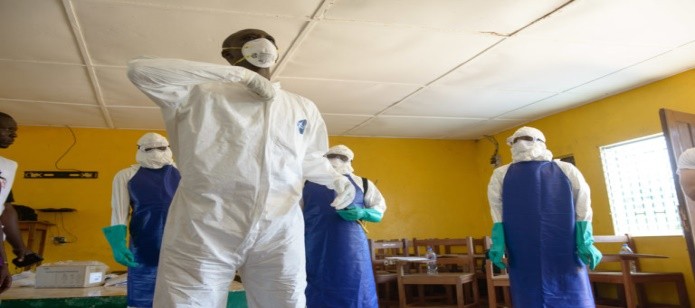
SAP works with community leaders, health workers, and institutions to expand the reach and effectiveness of health and social protection initiatives. Collaboration strengthens referral systems, information sharing, and advocacy efforts.
Conclusion
Health is wealth, and wellbeing is the foundation of development. Through HIV/AIDS prevention, hunger reduction, tackling neglected diseases, and promoting peace and justice, Struggle Against Poverty (SAP) is restoring dignity and resilience in communities across Uganda.
🌱 Join us in building healthier communities:
Frequently Asked Questions (FAQs)
Why is community-based health important in poverty reduction?
Community-based health programs focus on prevention, education, and local ownership, helping break the cycle between illness and poverty.
How does SAP support HIV/AIDS awareness in Uganda?
SAP provides education, stigma reduction activities, promotes testing, and supports individuals and families affected by HIV/AIDS.
What are neglected tropical diseases and why do they matter?
Neglected tropical diseases are preventable illnesses common in poor communities that affect productivity, education, and quality of life.
How does hunger reduction improve community wellbeing?
Proper nutrition strengthens immunity, supports child development, and reduces vulnerability to disease.
How can I support SAP’s health and wellbeing programs?
You can volunteer, donate, partner, or advocate by visiting SAP’s Get Involved or Contact Us pages.