
Introduction
Poverty is not destiny—and across Uganda, community-led development is proving it. Struggle Against Poverty (SAP) is restoring hope by partnering with communities to tackle the root causes of poverty through sustainable, inclusive, and people-driven solutions. By placing communities at the center of change, SAP helps households build livelihoods, protect their environment, improve health, and participate confidently in shaping their future.
What Community-Led Development Means
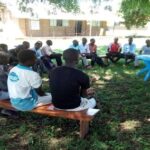
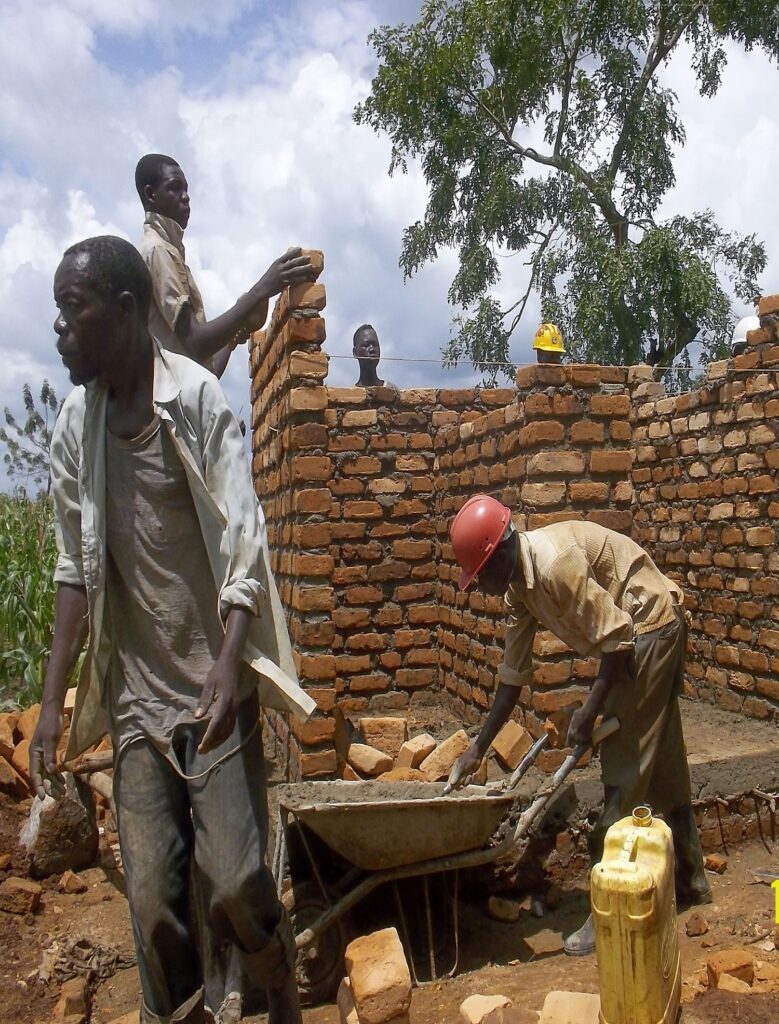
Community-led development in Uganda means that local people identify their priorities, design solutions, and lead implementation. SAP does not impose ideas. Instead, we listen, strengthen skills, and support locally owned initiatives that restore dignity and independence. When communities lead, solutions last.
Addressing the Root Causes of Poverty
Poverty is linked to limited skills, weak access to income, environmental degradation, poor health, and exclusion from decision-making. SAP addresses these challenges through integrated development approaches—combining livelihoods, environmental protection, health education, advocacy, and inclusion—so progress in one area reinforces progress in others.
Sustainable Livelihoods That Build Independence
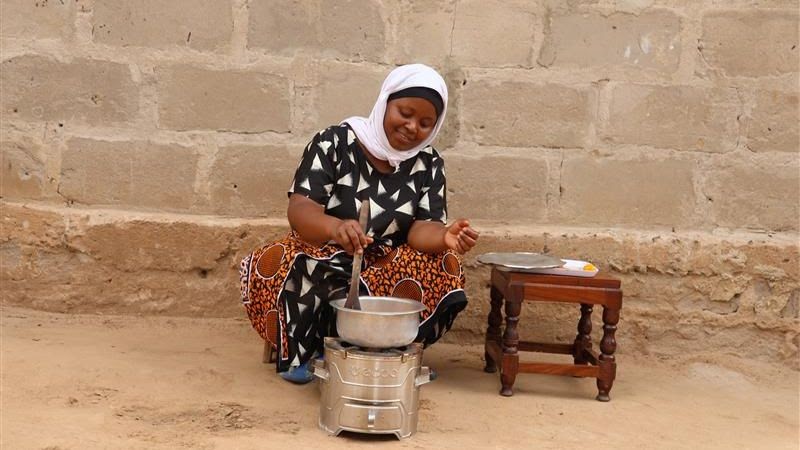
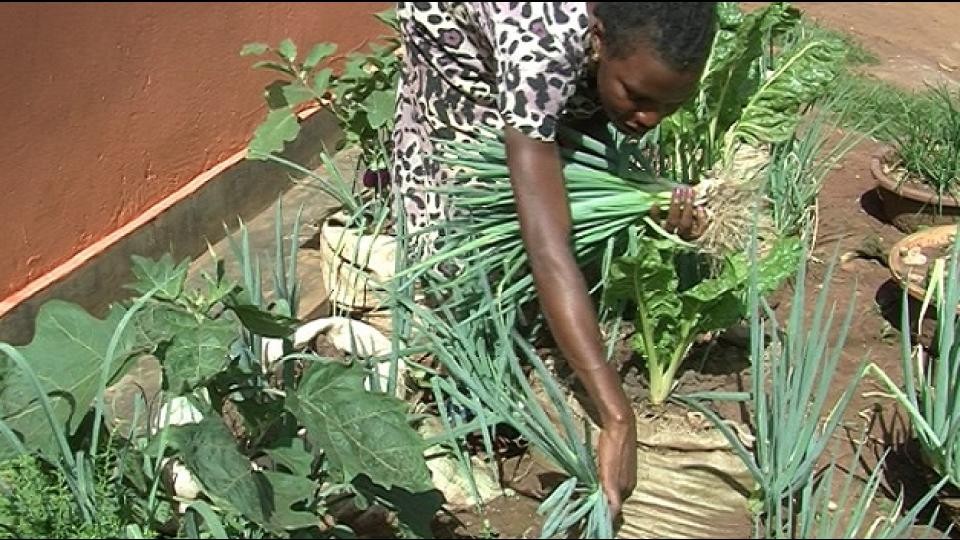
Through skills development, vocational training, financial literacy, and income-generating activities, SAP supports households to earn sustainably. Diversified livelihoods reduce vulnerability to shocks and help families plan for education, healthcare, and nutritious food—key steps out of poverty.
Protecting the Environment to Secure the Future
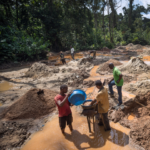
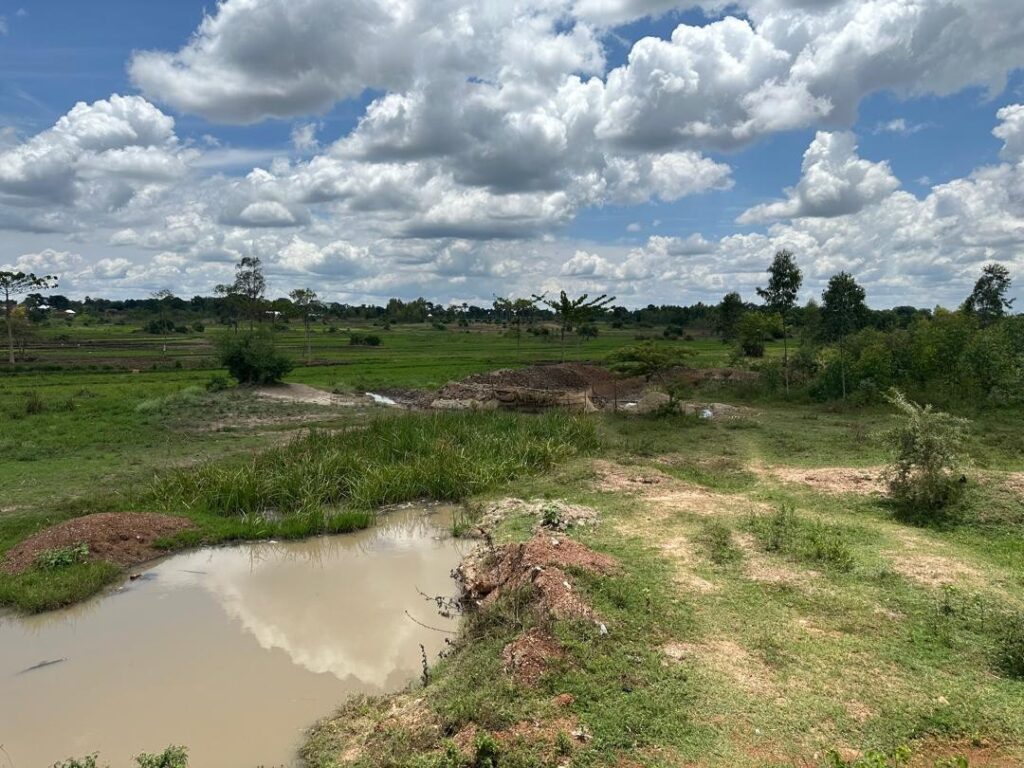
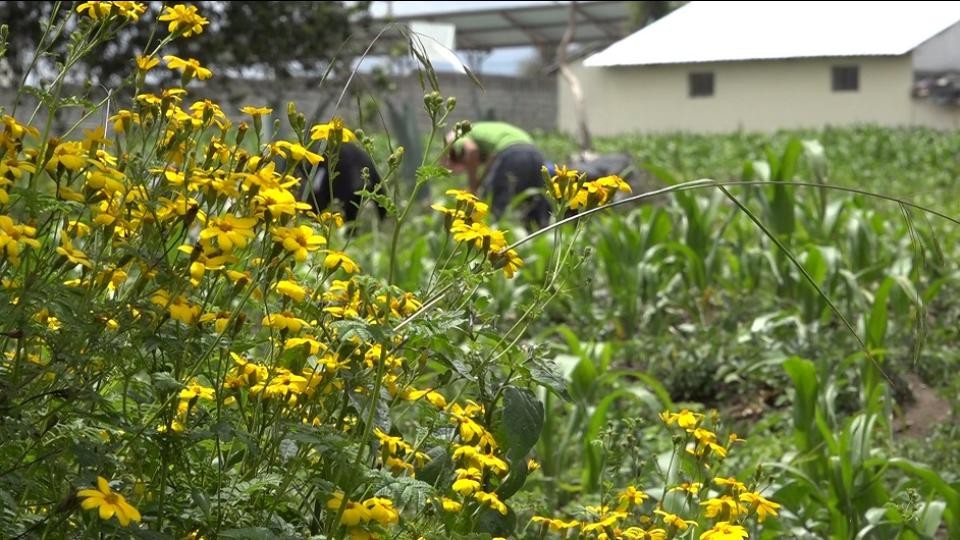
Environmental health and economic wellbeing are connected. SAP promotes environmental conservation, sustainable land and water use, climate change awareness, and advocacy against environmental abuse. Healthy ecosystems support farming, reduce disaster risks, and protect livelihoods for generations.
Inclusion: Leaving No One Behind
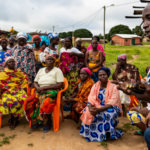
True development is inclusive. SAP prioritizes women, youth, persons with disabilities (PWDs), the elderly, and marginalized communities, ensuring equal participation in planning and leadership. Inclusion strengthens community cohesion and ensures development benefits everyone.
Health, Knowledge, and Social Wellbeing
Good health and informed choices unlock opportunity. SAP advances HIV/AIDS awareness, neglected disease prevention, nutrition education, peace, justice, and security, alongside knowledge sharing and capacity-building workshops. Informed communities make better decisions and protect their wellbeing.
Why Community-Led Development Works
Community-led development builds ownership, trust, and accountability. It delivers long-term impact, not short-term relief—helping communities move from dependency to self-reliance. SAP’s transparent, partnership-driven model ensures results that last.
Conclusion
Across Uganda, poverty is not destiny. With community-led development, hope is restored, livelihoods improve, and futures change. Struggle Against Poverty (SAP) stands with communities to lead their own transformation—sustainably and inclusively.
👉 Be part of the change today:
Frequently Asked Questions (FAQs)
What is community-led development in Uganda?
Community-led development empowers local people to identify needs, lead solutions, and manage resources—ensuring sustainable and inclusive outcomes.
How does SAP reduce poverty sustainably?
SAP integrates livelihoods, environmental protection, health education, advocacy, and inclusion to address root causes and build long-term resilience.
Who benefits from SAP programs?
Women, youth, persons with disabilities, low-income households, rural and urban underserved communities, and the elderly.
Why is inclusion important in poverty reduction?
Inclusion ensures equal participation and fair access to opportunities, strengthening social cohesion and improving development results.
How can I support community-led development with SAP?
You can volunteer, partner, donate, advocate, or sponsor programs via SAP’s Get Involved page.